
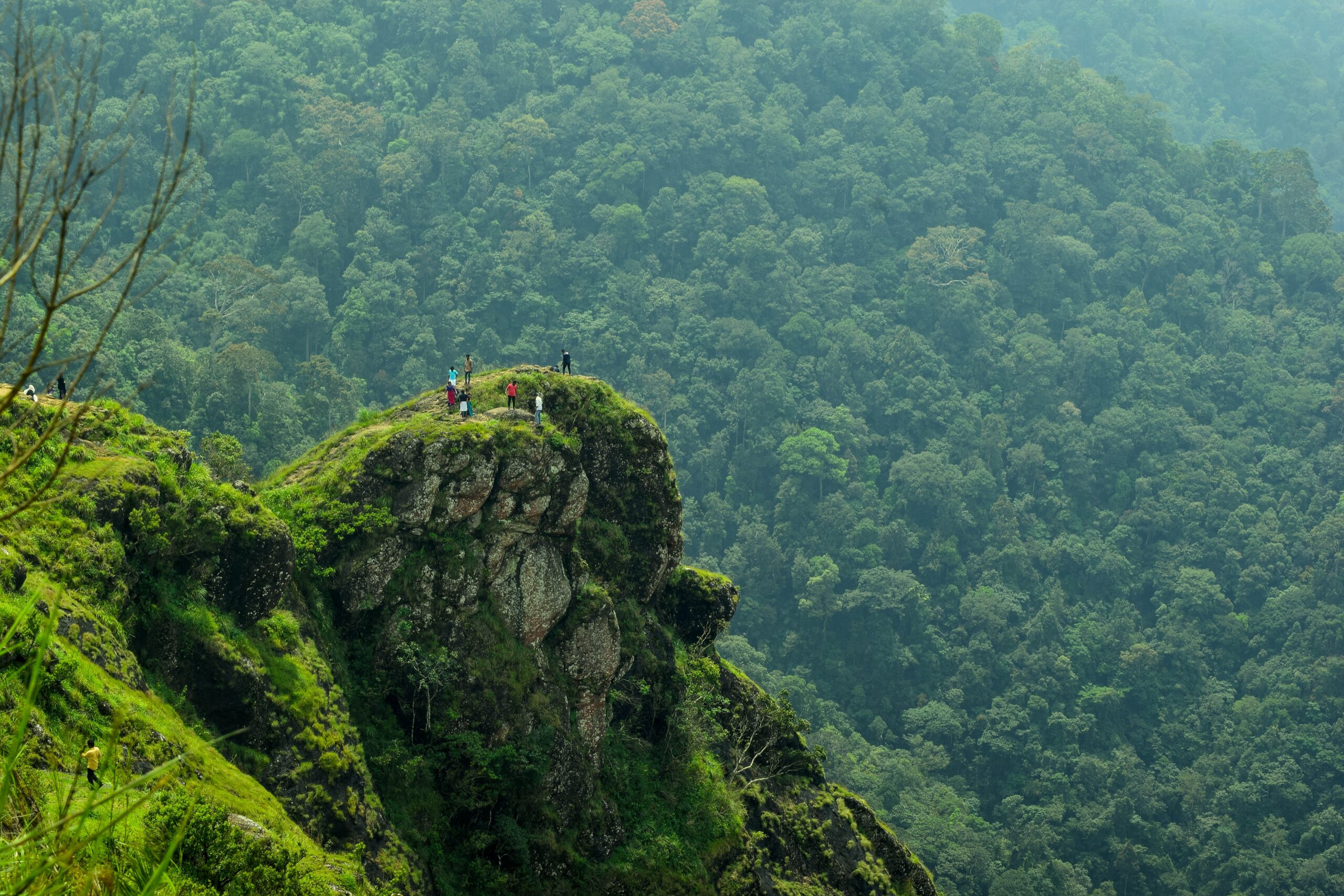
Most travellers who land in Kerala follow a familiar circuit: the backwaters of Alleppey, the beaches of Kovalam, perhaps a quick day trip to Munnar for photographs among the tea bushes. Idukki, the high-altitude district that holds much of Kerala’s Western Ghats, rarely gets more than a passing glance. That is a mistake. This is where cardamom was first cultivated commercially in India, where mist settles into valleys of pepper vines and coffee shrubs by late afternoon, and where an entire way of life still revolves around the rhythm of the plantations.
For visitors who want to experience that rhythm rather than photograph it from a car window, the accommodation choice matters more than the itinerary. Staying at one of the plantation resorts in Idukki puts you inside a working estate, where mornings begin with the sound of pickers moving through the spice gardens and evenings end with fresh cardamom tea on a verandah overlooking the hills. It is a different experience from a hotel in town, and it shapes everything else you do in the district.
What Makes Idukki Different from Munnar
Munnar sits within Idukki district, but the two have diverged sharply as destinations. Munnar town now deals with weekend crowds, traffic on the Gap Road, and hotel pricing to match. The wider district, covering areas like Thekkady, Vagamon, Kattappana, and the villages around the Idukki reservoir, has kept a slower pace.
The landscape also changes as you move away from the tea belt. Tea dominates the higher elevations around Munnar, while the mid-elevations belong to cardamom, pepper, coffee, and rubber. These mixed plantations are shadier, more biodiverse, and far more interesting to walk through. A guided estate walk here covers half a dozen crops in a single hour, and most estate managers are happy to explain how each one is grown, harvested, and processed.
Things to Do Beyond the Estate
Idukki Arch Dam and reservoir. One of the largest arch dams in Asia, set between two granite hills. The reservoir behind it winds through forested valleys, and boat access opens up viewpoints that few tourists ever reach.
Thekkady and Periyar Tiger Reserve. About two hours from central Idukki, Periyar offers bamboo rafting, guided forest treks, and lake cruises where sightings of elephants, sambar, and gaur are common. Book forest department programmes in advance during the December to February peak.
Spice markets in Kattappana and Kumily. Kumily’s spice bazaar serves the tourist trade, but Kattappana is where the actual auction trade happens. Visiting during cardamom auction season gives you a look at the commercial engine behind everything growing on the hillsides.
Vagamon meadows. Rolling grasslands, pine forests planted during the colonial era, and one of South India’s better paragliding sites. Vagamon works well as a day trip or an overnight stop on the way in from Kottayam.
Waterfall circuit. Thommankuthu, Keezharkuthu, and Cheeyappara are all reachable within the district, with Thommankuthu offering a seven-step cascade and a proper trekking route alongside it.
When to Go
October through February is the comfortable window, with clear skies, cool nights, and daytime temperatures around 15 to 25 degrees Celsius depending on elevation. March and April stay pleasant at higher altitudes. The southwest monsoon, from June to September, transforms the district into deep green and feeds every waterfall, but expect heavy rain, leeches on forest trails, and occasional road closures. Monsoon visits reward travellers who plan to stay put and read on a covered verandah rather than tour aggressively.
Practical Notes
Kochi International Airport is the usual entry point, roughly four to five hours by road to most parts of the district depending on your destination. The ghat roads are winding, so travellers prone to motion sickness should plan accordingly. Mobile coverage is patchy in the interior valleys, which many guests come to appreciate by day two. Carry warm layers even in summer, since nights above 900 metres get genuinely cold.
Idukki rewards the traveller who stays four or five nights rather than one. Give the district enough time and it stops feeling like a destination and starts feeling like a place people live, which is exactly what the best travel provides.

Born and raised amidst the hustle and bustle of the Big Apple, I’ve witnessed the city’s many exciting phases. When I’m not exploring the city or penning down my thoughts, you can find me sipping on a cup of coffee at my favorite local café, playing chess or planning my next trip. For the last twelve years, I’ve been living in South Williamsburg with my partner Berenike.