
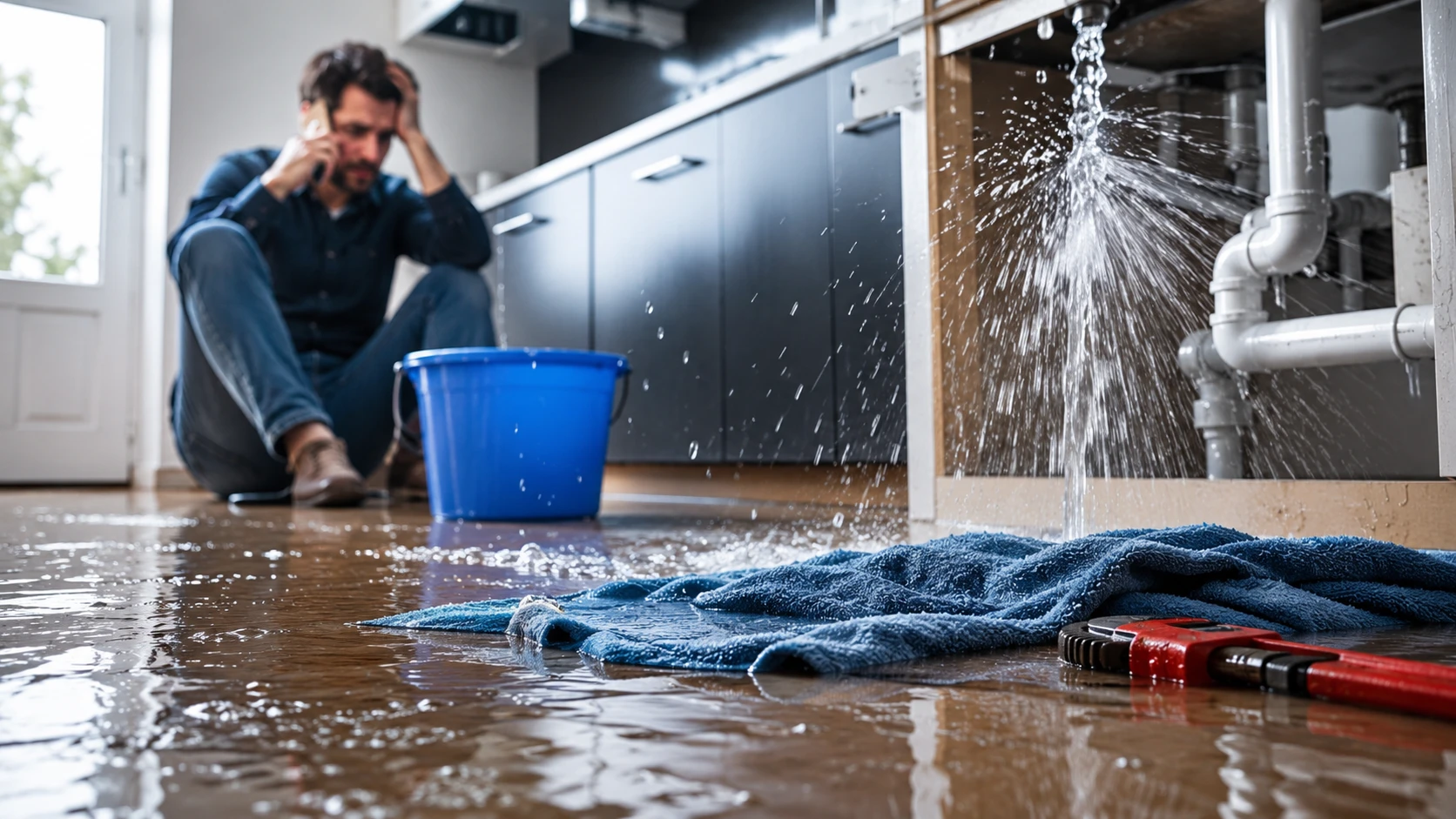
Anyone who owns a home has dealt at least once with household plumbing issues such as a dripping faucet, water that drains slowly, or a toilet that won’t stop filling. In most cases, none of these problems require immediate attention, and the repair can easily be postponed until the weekend. The real trouble begins when a minor issue suddenly turns into a serious emergency.
Water is not something to take lightly—it can damage a home in a matter of minutes. One burst pipe is enough, and within just half an hour, damp walls, floors, insulation, and even the foundation can be at risk of serious damage. If the sewer system becomes clogged, health hazards are added to the problem. The most deceptive part is that not every issue is immediately visible. Hidden leaks can cause mold to develop for months before you notice the first dark stains. In reality, the consequences of a plumbing emergency often depend not on the failure itself, but on how quickly you react.
It is important to know that most serious plumbing emergencies do not begin with flooding. Everything seems normal, but suddenly there is a sewer odor, the water pressure becomes weaker, or your water bill unexpectedly increases. Sometimes you hear strange sounds coming from the pipes, or damp spots begin to appear on the walls. It is common to shrug it off by saying, “It’s only a small leak, I’ll deal with it later.” Unfortunately, that decision can make the repair several times more expensive.
Understanding the difference between routine plumbing maintenance and a real emergency can genuinely protect both your property and your peace of mind. While minor plumbing issues can wait, there are situations where delaying repairs may leave you not only without running water but also with major financial losses.
In this article, we’ll look at eight warning signs of a plumbing emergency, explain why they happen, and discuss what you should do before a plumber arrives.
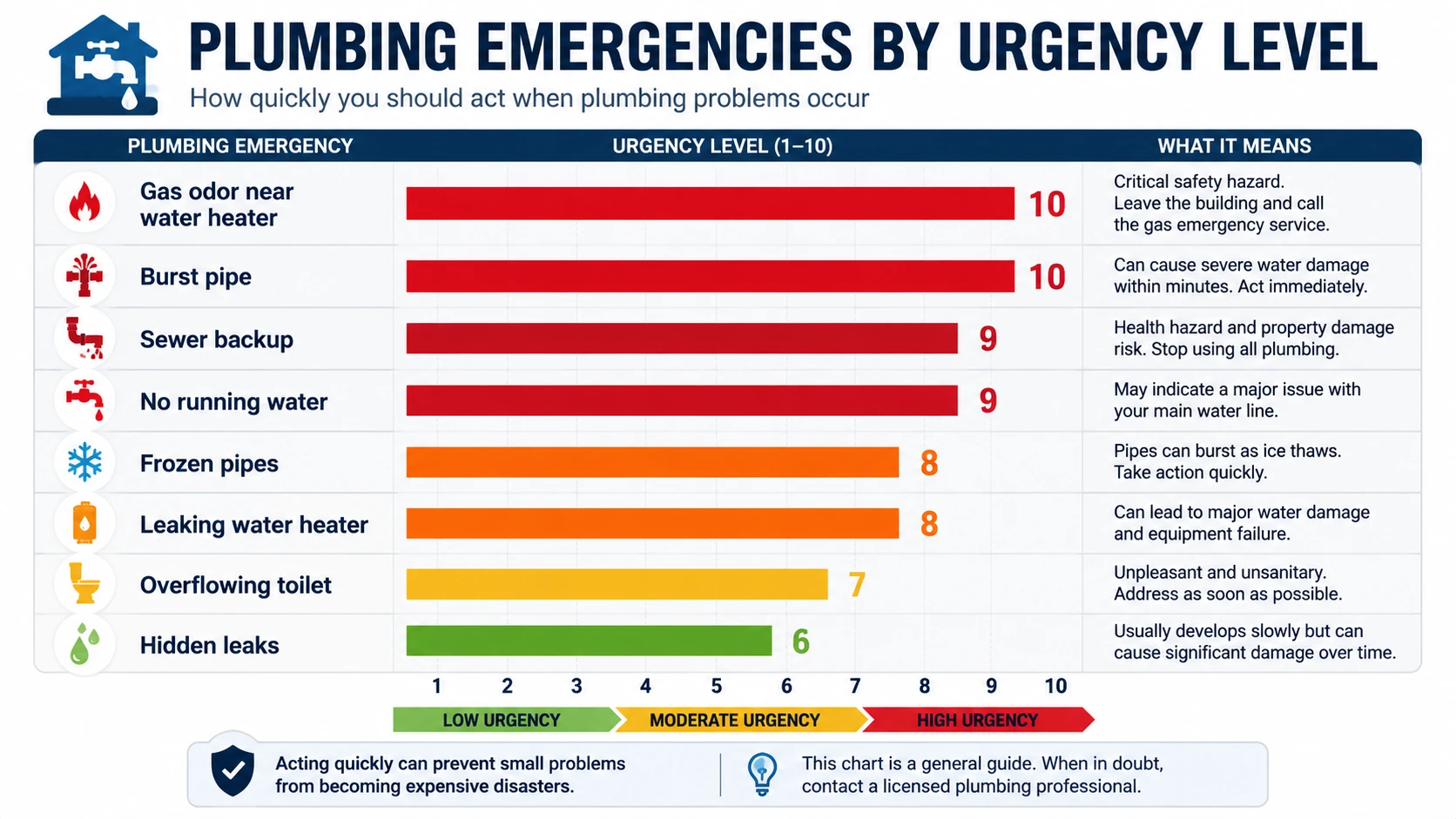
1. A Burst Pipe: Why It Is So Dangerous
One of the most serious household plumbing emergencies is a burst pipe. It can happen because pipes freeze during cold weather, gradually corrode, rust over time, become damaged by excessive water pressure, or even after someone unsuccessfully tries to hang a heavy object on the pipe. Regardless of the cause, once a pipe bursts, water can quickly flood a house or apartment. It’s not just the walls and furniture that suffer—water-soaked structural materials begin to deteriorate, mold develops easily, and within just a day or two, the damage can become significant.
The good news is that pipes rarely fail completely without warning. A careful homeowner will usually notice the warning signs long before a flood occurs.
Water pressure suddenly drops throughout the entire house. Damp stains begin appearing on walls or ceilings. The cabinet beneath the sink constantly feels wet. Rust becomes visible on exposed pipes. When every faucet is turned off, you can still hear hissing or the sound of running water inside the pipes. Your water meter suddenly records much higher usage even though your water habits haven’t changed. Small cracks or water droplets appear around pipe connections.
Pay special attention during the winter, especially if your home has older plumbing. Frozen water expands and literally puts tremendous pressure on the pipe walls. Sometimes a pipe doesn’t burst immediately, but once temperatures rise, it begins to leak.
What to Do If You Suspect an Emergency
Every minute matters. Immediately shut off the home’s main water supply valve. If water is close to electrical outlets or the electrical panel, carefully switch off the power as soon as it is safe to do so. Move valuable belongings away from the affected area, and take photos of the damage—these pictures may be useful for your insurance claim.
Don’t seriously rely on temporary DIY repairs. Adhesive tape used instead of a proper repair may buy you a few extra minutes, but it won’t solve the problem. If one pipe has burst, the rest of the plumbing system may also be aging, so it’s a good idea to have the entire system inspected by a professional.
Inspect your pipes and insulation regularly, monitor the water pressure in your plumbing system, and avoid putting unnecessary strain on your plumbing. Doing so can significantly reduce the likelihood of unexpected emergencies, especially in older homes.
2. A Sewer Backup Is More Than Just an Inconvenience
If water drains slowly from the sink or shower, many people think, “It’s just a minor household problem. I’ll fix it when I have time.” However, when wastewater starts flowing back into the sink, bathtub, or even the floor drain, it is no longer something to joke about. A blockage in the main sewer line is not simply damaged plumbing—it is a real health hazard. Wastewater may contain dangerous bacteria and can easily contaminate the floor, furniture, or even your personal belongings.
A simple clog in the kitchen sink is annoying, but it remains a local problem. However, when the main sewer pipe becomes blocked, the entire house is affected. Every time someone flushes the toilet or turns on a faucet, the wastewater no longer drains away but instead begins flowing back into the house.
How to tell the situation is serious:
- Water starts backing up into the shower or bathtub after flushing the toilet.
- Several drains begin working poorly at the same time.
- Bubbling sounds can be heard in the sink or toilet.
- An unpleasant sewer smell appears inside the house.
- Water collects around the basement floor drain.
Most often, the problem is caused by tree roots, grease buildup, damaged or shifted pipes, or various objects that have entered the drainage system. This happens much more often in homes with older plumbing systems.
What should you do?
First, stop using all plumbing fixtures. Every additional amount of water only makes the backup worse.
Do not rush to pour chemical drain cleaners into the pipes. They rarely help when the main sewer line is blocked and may cause even more damage.
If you notice that the water continues backing up or several plumbing fixtures stop working at the same time, you should call a professional immediately. Delaying can be dangerous.
3. An Overflowing Toilet Is a Problem You Shouldn’t Delay
An overflowing toilet may seem like a minor problem until the moment the water starts spilling onto the floor. At that point, it is no longer just about a damaged floor—it becomes a real sanitation issue, especially if the cause is a sewer blockage.
Sometimes a plunger solves the problem. It’s that simple. However, if the water rises again after every flush, or similar problems appear in other plumbing fixtures, the cause is much deeper. Most likely, the problem is a blockage in the home’s main sewer system.
Warning signs to watch for:
- After flushing, the water almost reaches the top of the bowl.
- The water drains much more slowly than usual.
- Gurgling sounds can be heard from nearby drains.
- After flushing, water suddenly appears in the bathtub or shower.
- The toilet continues overflowing even after using a plunger.
What should you do?
If the water level does not go down, quickly remove the tank lid and close the flapper valve to stop more water from entering the bowl. Then shut off the toilet’s water supply valve.
Do not press the flush button again “just to be sure.” Doing so will only increase the damage and flood the floor.
If simple methods do not help, it is time to call professionals. Without specialized diagnostic equipment, it is impossible to deal with deep sewer blockages safely.
4. Hidden Leaks Are a Threat to Your Budget
Not every plumbing emergency happens suddenly. The most expensive repair projects often begin with a small water leak hidden inside a wall, beneath the floor, or in the ceiling. Everything develops gradually: water damages building materials, while homeowners notice the problem only after mold appears, an unpleasant odor develops, or visible stains become noticeable.
Even a tiny leak can waste hundreds of gallons of water over the course of a month while damaging insulation, wood, drywall, and hardwood flooring.
Warning signs to watch for:
- Your water bill suddenly increases without any obvious reason.
- Damp or dark stains appear on the walls or ceiling.
- Paint begins peeling or wallpaper starts bubbling.
- There is a constant musty smell.
- Mold appears where it shouldn’t.
The main causes include worn pipe connections, corrosion, aging plumbing systems, foundation movement, and damaged fittings.
The sooner you find the source of the leak, the greater your chances of avoiding complicated and expensive repairs.
What should you do?
If you suspect a hidden leak, do not rush to tear open walls or floors. Today, modern equipment is available that helps professionals locate leaks without damaging finished surfaces. This makes it possible to carry out only minor restoration work instead of having to undertake a major renovation.
5. No Running Water Throughout the House
Turning on the faucet and getting nothing can be alarming. While a temporary interruption may sometimes be caused by maintenance work from the local water utility, a complete loss of water inside your home can also indicate a serious plumbing problem that requires immediate attention.
In some cases, the issue is as simple as a closed shut-off valve. In others, it may be caused by a burst underground pipe, a frozen water line, or a major leak that has significantly reduced water pressure throughout the system.
Warning signs to watch for:
- No water comes from any faucet in the house.
- Water pressure suddenly drops throughout the entire home.
- Neighbors still have running water.
- You hear water flowing but nothing comes out of the faucets.
- The water meter continues moving even though no water is being used.
What should you do?
First, make sure the problem is not caused by scheduled maintenance in your area. Then check whether the main shut-off valve is fully open.
If there is no obvious explanation and water has stopped flowing throughout the house, avoid repeatedly opening faucets or attempting to increase the pressure yourself. A professional inspection will help determine whether the problem is related to a broken water line, a hidden leak, or another failure within the plumbing system.
6. A Leaking Water Heater Should Never Be Ignored
Many homeowners don’t pay much attention to their water heater until they discover water around the base of the tank. Unfortunately, a leaking water heater is rarely a problem that resolves itself. Even a small leak can become much worse over time and eventually cause significant water damage.
The leak may be caused by corrosion inside the tank, a faulty pressure relief valve, worn pipe connections, or excessive pressure within the system. In some situations, the tank itself has already reached the end of its service life.
Warning signs include:
- Water pooling around the water heater.
- Rust on the tank or nearby pipe connections.
- Unusual popping or rumbling noises.
- Hot water running out much faster than usual.
- Moisture or dripping from the bottom of the unit.
What should you do?
If you notice water leaking from the water heater, turn off the power supply. For electric models, switch off the circuit breaker. For gas units, turn off the gas supply if it is safe to do so.
Next, shut off the cold water supply to the unit to prevent additional leaking.
A leaking water heater should always be inspected as soon as possible because a small leak today may become a complete tank failure tomorrow.
7. Frozen Pipes Can Burst Without Warning
Frozen pipes are one of the most common winter plumbing emergencies, especially in regions where temperatures remain below freezing for extended periods.
When water freezes inside a pipe, it expands and creates enormous pressure against the pipe walls. Surprisingly, the pipe often doesn’t burst while it is frozen. Instead, it may crack as the ice begins to thaw and water pressure returns.
Warning signs include:
- Little or no water comes from a faucet during freezing weather.
- Frost appears on exposed pipes.
- Strange odors come from drains because water can no longer flow normally.
- Visible cracks appear after temperatures rise.
What should you do?
If you suspect a frozen pipe, never use an open flame to thaw it. This can damage the pipe and create a serious fire hazard.
Instead, shut off the main water supply if you suspect the pipe has cracked and contact a licensed plumber. Acting quickly may prevent a frozen pipe from becoming a flooded home.
8. Gas Odors Around a Water Heater Require Immediate Action
If your home has a gas water heater or boiler, the smell of gas should never be ignored. Unlike many plumbing problems, this situation presents not only a risk of property damage but also a serious threat to personal safety.
Natural gas leaks can create an explosion hazard and should always be treated as an emergency.
Warning signs include:
- The smell of gas near the water heater or boiler.
- A hissing sound near the gas line.
- The pilot light repeatedly goes out.
- Physical symptoms such as dizziness or headaches after entering the room.
What should you do?
If you smell gas, do not turn electrical switches on or off and do not use electrical appliances. Open windows and doors if it is safe to do so, leave the building immediately, and shut off the gas supply only if you know how to do it safely.
Contact your local gas emergency service first. Once the area has been declared safe, a qualified plumbing or heating professional can inspect and repair the equipment.
Final Thoughts
Not every plumbing problem requires an emergency response, but knowing how to recognize the warning signs can save you thousands of dollars in repair costs and help protect your home from unnecessary damage.
Burst pipes, sewer backups, overflowing toilets, hidden leaks, frozen pipes, water heater failures, and gas-related issues should never be ignored. Taking the right first steps can reduce the impact of the problem while keeping your family and property safe.
When a plumbing emergency cannot be safely contained or the cause of the problem is unclear, it’s best to seek professional help. Homeowners looking for reliable emergency plumbing services can learn more about common plumbing solutions, repairs, and emergency assistance from experienced professionals.
Regular inspections, routine maintenance, and responding quickly to early warning signs remain the most effective ways to avoid major plumbing emergencies and protect your home for years to come.

Born and raised amidst the hustle and bustle of the Big Apple, I’ve witnessed the city’s many exciting phases. When I’m not exploring the city or penning down my thoughts, you can find me sipping on a cup of coffee at my favorite local café, playing chess or planning my next trip. For the last twelve years, I’ve been living in South Williamsburg with my partner Berenike.